20 Rally Car Facts: Why These Machines Are Built Different
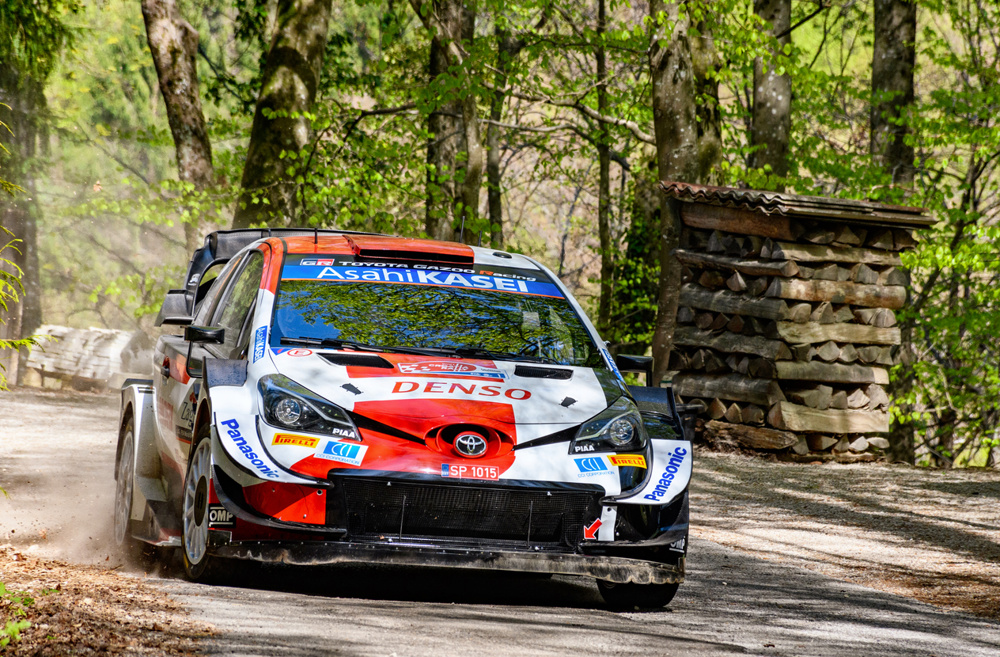
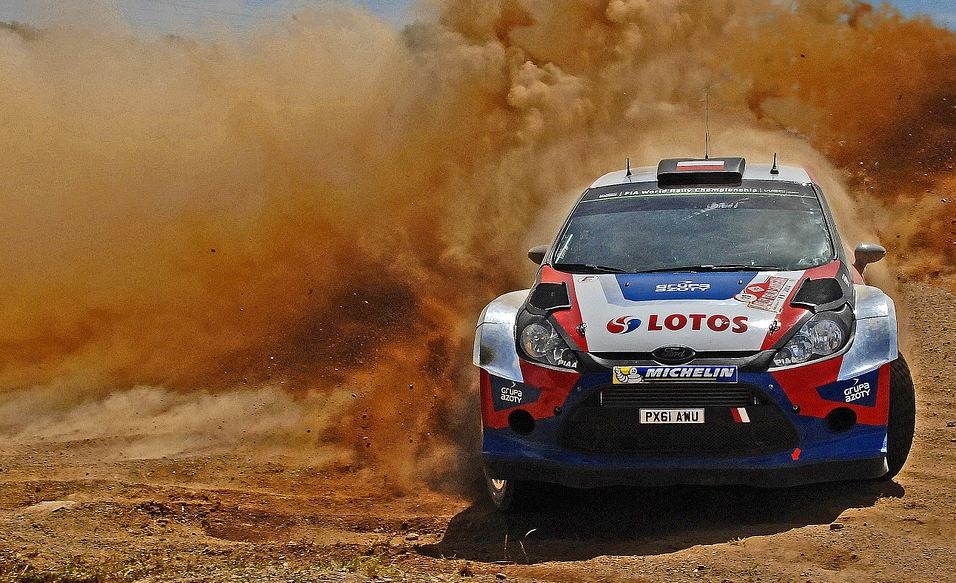
Modern rally cars are among the most extreme engineering machines in motorsport. Rally1 cars produce more than 370 horsepower from tiny 1.6-liter turbocharged engines, while weighing lighter than many performance hatchbacks. Their engines breathe through a 35 mm air restrictor, their drivetrains rely on mechanical differentials and fixed torque distribution, and their chassis are designed to survive violent impacts on rough terrain.
Unlike circuit racing machines, rally cars must perform across gravel, asphalt, snow, and mud—often during the same season. They jump, slide, and absorb massive impacts while maintaining competitive speed. Behind the spectacle lies an intricate combination of regulation, engineering innovation, and cost control that defines the sport.
Here are 20 fascinating facts explaining why rally cars are built so differently.
Rally1 Cars Pack 370+ Horsepower From 1.6-Liter Engines
Rally1 engines generate remarkable performance for their size. While many road cars struggle to achieve 100 horsepower per liter, these engines produce more than 370 horsepower from only 1.6 liters. Before 2025, Rally1 cars produced over 380 horsepower, and during the hybrid era between 2022 and 2024, combined outputs exceeded 500 horsepower.
This performance comes from advanced engineering. Garrett turbochargers, direct fuel injection, and twin variable valve timing systems allow precise airflow and combustion control. The engines use an 83.8 mm bore and 72.5 mm stroke, while Cosworth electronics manage fuel delivery, ignition timing, and boost pressure. Despite strict FIA restrictions, these engines still produce over 425 Nm of torque, proving that efficiency and technology can rival larger engines.
The 35mm Air Restrictor That Limits Rally1 Power
Tucked deep within Rally1's intake manifold sits a deceptively simple component that exercises absolute control over the car's performance: a precisely machined 35mm air restrictor. This fixed bottleneck limits air intake regardless of throttle position, capping power at 360-380 horsepower from the 1.6-liter turbocharged engine.
For 2025, the FIA reduced the restrictor from 36mm—a seemingly minor 1mm change that compensates for removing the 130-horsepower hybrid system while maintaining equivalent power-to-weight ratios. The change accompanies the removal of the 87kg hybrid kit, which will lower the minimum Rally1 weight from 1260kg to 1180kg.
You'll find this standardized component operates at maximum efficiency around 6,250 RPM, delivering 450Nm torque at 5,500 RPM. Beyond leveling competition, restrictors enable manufacturers to meet fuel consumption targets while exploring turbocharger advancements within controlled parameters. Though Hyundai requested retaining the larger 36mm specification, the reduction aligns with broader regulatory evolution toward 2027's technical framework.
Why Rally1 Cars Lost 130 Horsepower When Hybrids Were Removed
From 2022 to 2024, Rally1 cars used a 100 kW hybrid boost system that added roughly 130 horsepower during acceleration. When this system was removed in 2025, cars immediately lost that extra performance. Engine output returned to roughly 370–380 horsepower.
Engineers had to redesign several components to adapt. Camshafts, turbocharger systems, exhaust geometry, and anti-lag systems were recalibrated to improve low-speed torque. Although power dropped, the removal of the 87 kg hybrid unit reduced vehicle weight significantly, allowing cars to maintain competitive performance despite the lower output.
Rally1's 1,180 Kg Weight Beats Most Hot Hatchbacks
At 1,180 kg, Rally1 cars now undercut nearly every hot hatchback on the market, achieving a minimum weight that'd make even dedicated track-focused variants envious. This 80 kg reduction from the previous 1,260 kg specification came primarily through hybrid system elimination.
The weight decrease maintains competitive power-to-weight ratios despite reduced output. With 370-380 bhp from restricted engines, these machines deliver enhanced agility, sharper acceleration, and improved cornering response. The spaceframe chassis combines mechanical limited-slip differentials and five-speed gearboxes while preserving safety standards. This lightweight architecture transforms handling characteristics through reduced rotational inertia.
How Rally1's 3.1 Kg/Hp Ratio Compares to Rally2
Rally1 cars achieve a 3.1 kg per horsepower ratio, compared with 4.2 kg/hp for Rally2 cars. This difference creates a significant performance gap between the two classes. Rally1 cars produce around 380 horsepower, while Rally2 vehicles typically produce about 290 horsepower and weigh slightly more.
In addition, Rally1 cars feature advanced aerodynamics and previously used hybrid boost systems that delivered bursts of acceleration. However, these benefits come at a price—Rally1 cars can cost close to €1 million, while Rally2 vehicles typically cost €200,000–€300,000.
Rally1 Gearboxes Use Just Five Speeds for All Terrain
While most performance vehicles chase additional gears for optimal power delivery, Rally1 cars achieve championship-level performance with just five speeds across every terrain type. FIA regulations mandated this simplified specification to reduce gearbox reliability challenges while maintaining competitive pace from gravel to tarmac stages.
Your Rally1 car's mechanical shift system delivers consistent transmission response characteristics across three critical areas:
- Fixed 50:50 torque distribution through front and rear mechanical differentials eliminates active center differential complexity
- Mechanical limited-slip differential design provides predictable handling without electronic adjustment systems
- Top speeds reaching 201 kph on both gravel and tarmac surfaces with identical gear ratios
This streamlined five-speed configuration replaced six-speed predecessors, making gear selection your primary traction management tool across varying terrain conditions.
Why Rally Banned Paddle Shifters to Cut Costs
Though paddle shifters offer faster gear changes and reduced driver workload, the FIA banned them in 2011 to control costs and maintain rally's accessibility beyond factory teams with unlimited budgets. When the ban reversed in 2017 with new-generation WRC cars, regulators added mechanical linkage requirements.
You'll find current regulations mandate direct transmission connections, preventing electronic or wireless systems. This mechanical complexity increases weight and requires physical adjustments between stages, but it prevents expensive performance gaps between manufacturer-backed and privateer teams.
Scrutineers conduct technical checks on linkage connections, and regulatory enforcement remains strict—non-compliant installations result in disqualification. The compromise balances technological advancement with cost control, ensuring rally competition doesn't become exclusive to teams with unlimited resources for sophisticated electronic systems.
The Fixed 50:50 Drive Split No Team Can Adjust
Unlike traditional all-wheel drive systems that adjust power delivery between axles, today's Rally1 cars operate under strict FIA regulations that mandate a fixed 50:50 torque split between front and rear wheels—a configuration no team can modify during competition. The regulations created three major impacts:
- Cost reduction - Eliminated expensive active differential systems and associated sensors
- Competitive parity - Removed technological advantages from superior differential calibration
- Handling compromises - Engineers can't compensate for weight transfer during acceleration
You'll notice the system feels rear-biased when exiting corners, as the unloaded inside front wheel spins, redirecting power rearward—forcing teams to accept handling limitations for regulatory compliance.
Rally1 Safety Cells Absorb 115% More Roof Impact Than Previous Cars
Rally1 cars achieve unprecedented occupant protection through tubular steel spaceframe construction that absorbs 115% more roof impact energy than previous-generation vehicles. This is the most significant safety advancement in the 2022 regulations. This rally1 roof impact absorption capability particularly benefits occupants during rollover scenarios common in rallying.
Impact protection improvements extend beyond the roof, with frontal protection increasing 70% and side impact protection improving 51%. The welded tubular construction efficiently dissipates energy across multiple impact vectors while maintaining a high-rigidity frame that contains occupants. This comprehensive approach establishes the highest protection level in rally competition history.
Step deeper into the world of rally car with more fascinating facts!
Why Rally2 Doors Pack 60 Liters of Crash Foam
Rally2 safety regulations mandate 60 liters of specialized crash foam in each door—a requirement that transforms the door cavity into a sophisticated energy-absorption system rather than empty space. This FIA Standard 8866-2018 homologated protection fills the gap between the outer door panel and your seat, specifically engineered to dissipate impact energy when you collide with trees or solid objects during off-road stages.
The system comprises three distinct foam elements with precise door foam placement:
- VA and VB materials extend forward and rearward from your seat-shoulder plane to absorb angled impacts
- VC foam positions between your helmet and side glazing for window-strike protection
- Rally foam density ranges from 44-60 g/L with 190-330 kPa compressive strength at 25% strain
This lightweight configuration protects against lateral and angled collisions while maintaining vehicle performance. The foam materials must achieve a minimum tensile strength of 408 kPa to meet FIA certification requirements.
Rally Cars Use Production Windshields and Body Panels
While race cars typically feature custom-fabricated components, modern rally regulations require you to retain specific production parts from the donor vehicle. Your rally car's windshield must remain identical to the factory original, meeting homologation requirements for body panels that preserve the vehicle's street-legal identity.
The body panels covering your roll cage follow similar rules. You're mandated to use stock doors, fenders, and hood from the original manufacturer. This regulation prevents teams from gaining unfair aerodynamic advantages through exotic materials or radical reshaping. The laminated glass construction provides proven impact behavior that custom alternatives cannot match under the extreme conditions of rally competition.
The Six-Gearbox-Per-Season Rule That Controls Costs
Since comprehensive gearbox allocation rules aren't documented in current WRC regulations, rally teams instead face broader cost-control measures that limit mechanical component replacements throughout the season. While specific six gearbox per season cost control regulations remain unverified, you'll find that WRC27 introduces strict financial constraints.
You won't find detailed gearbox restriction details in current documentation, but these transmission management strategies clearly aim to level the competitive playing field while controlling spiraling expenses across championship seasons. Rally1 cars were reduced to 5-speed gearboxes to help simplify components and manage costs.
Rally2's €198,840 Parts Price Cap Explained
Cost control extends beyond the top-level WRC category into Rally2, where the FIA has established a maximum base price of €198,840 (excluding taxes) for homologated vehicles.
This price cap applies to manufacturer-supplied Rally2 cars that meet FIA regulations, including essential components such as the powertrain, four-wheel-drive system, and chassis modifications. The goal is to prevent manufacturers from inflating prices and ensure that private teams can afford to compete in international rally championships.
However, the real-world cost of running a Rally2 car often exceeds the official price cap. A fully prepared ready-to-race vehicle typically costs €250,000 or more, once additional customization, team preparation, and spare parts are included.
Why Every Rally1 Team Gets Identical Hybrid Units
During the hybrid era of the World Rally Championship, all Rally1 teams used the same standardized hybrid system supplied by German manufacturer Compact Dynamics. This approach contrasts sharply with series like Formula 1, where teams develop their own hybrid power units. In rallying, the FIA chose a single-supplier model to prevent manufacturers from spending enormous sums on hybrid technology development.
Each Rally1 hybrid unit included a 100 kW electric motor paired with a 3.9 kWh battery, delivering short bursts of additional power during competitive stages. The system weighed approximately 87 kg and was mounted in the rear of the vehicle.
The standardized hybrid system offered several benefits:
- Cost containment – Teams could not invest heavily in proprietary hybrid designs.
- Competitive fairness – Identical motors, batteries, and power delivery ensured no team had a technological advantage.
- Simplified regulation – Using a single supplier made it easier for the FIA to monitor compliance with technical and environmental regulations.
Each unit used a 750-volt electrical system, with identical inverters and deployment settings across all teams. This ensured consistent performance while allowing the focus of competition to remain on driving skill, strategy, and vehicle setup rather than hybrid development budgets.
How Rally Cars Switch Setup Between Gravel and Tarmac
Tarmac dampers are substantially smaller with stiffer spring rates, while gravel setups need massive travel capacity for jumps and compressions. The chassis setup adjustments extend to kingpin pickup points, anti-roll bars, and differential settings based on surface grip. Teams switch from 18-inch wheels with low-profile tires to 15-inch rally tires featuring chunky treads.
Downforce configuration changes accompany undercarriage protection modifications—thick sump guards for gravel, minimal protection for tarmac weight savings. Rally teams prioritize strong, dependable parts over weight reduction since the brutal gravel conditions can destroy components that might work perfectly on smooth asphalt. Rally teams prioritize strong, dependable parts over weight reduction since the brutal gravel conditions can destroy components that might work perfectly on smooth asphalt
Why Suspension Height Determines Surface Performance
Rally suspension height creates one of the most critical performance trade-offs in motorsport, as teams must balance competing demands that pull setup requirements in opposite directions. Lowering your car 50mm reduces bump travel from 70-85mm to just 20-35mm, creating three immediate consequences:
- Suspension components hit travel limits repeatedly, causing abrupt body motion on rough surfaces
- Ground clearance decreases dramatically, increasing contact risk with obstacles and kerbs
- Roll center geometry shifts outside manufacturer specs, causing suspension alignment challenges
While you'll gain cornering grip from reduced weight transfer, you'll need larger anti-roll bars to control body roll. This creates diminished ride comfort during single-wheel impacts. The lateral wheel center offset increases with lowering, introducing steering corruption from bumps, brake inputs, and torque delivery that compromises driver feedback.
Spaceframe Chassis Construction for High-Speed Impacts
Spaceframe chassis construction solves the fundamental challenge of protecting drivers during high-speed impacts while maintaining the rigidity needed for performance handling. This spaceframe chassis assembly method uses 4130 steel containing chromium and molybdenum, delivering higher yield strength than mild steel alternatives. The framework's torsional rigidity optimization comes from strategic diagonal member placement.
Square tubing simplifies cutting and fitting compared to round sections. Anti-intrusion plates welded to front members reinforce impact zones without significant mass penalties. Stressed components like battery boxes contribute structural strength while serving protective functions, achieving approximately 6600 Nm/degree torsional stiffness across open cockpit sections. The square tube connections allow panels to sit flat on the chassis framework, streamlining bodywork attachment during assembly.
Rally Night Stages Use Hood-Mounted Auxiliary Lights
Rally stages often take place on dark forest roads where standard headlights provide insufficient visibility. To overcome this limitation, rally cars use hood-mounted auxiliary lighting systems that dramatically extend the driver’s vision range. These lighting pods are mounted on the bonnet to reduce glare and provide a wide, forward-facing beam pattern. Modern rally lighting systems include several important features.
- Lightweight carbon-fiber housings reduce the weight of the system to around 3 kg while maintaining FIA safety compliance.
- Multiple lighting modes, including full beam, fog beam, rain mode, and E-mark road mode, allow drivers to adapt to changing weather conditions.
- Adjustable mounting systems enable fine tuning of the beam angle by about ±5 degrees, ensuring optimal road coverage.
Advanced heat sinks help maintain consistent brightness during long night stages, while ventilation systems such as Gore-Tex breathers prevent condensation inside the lights. These specialized lighting systems allow drivers to maintain high speeds even in near-total darkness.
Why 2025 Rally1 Cars Needed Exhaust Redesigns
When Rally1 regulations stripped the hybrid system for 2025, your car's entire powerplant architecture needed fundamental recalibration. Your team compensated for the hybrid's loss through strategic weight reduction, which altered exhaust flow dynamics and backpressure requirements.
To recover corner exit performance previously delivered by electric motors, engineers implemented new camshaft specifications and redesigned exhaust geometry. These modifications optimized scavenging efficiency and backpressure management, allowing your 330bhp Rally1 car to maintain competitive acceleration despite losing 50bhp total output.
Mechanical Differentials at Both Axles Control Rally Traction
Traction is critical in rally racing, where surfaces constantly change from asphalt to gravel, mud, or snow. To manage this challenge, rally cars use mechanical limited-slip differentials at both the front and rear axles. Unlike open differentials, which send power to the wheel with the least grip, limited-slip designs distribute torque more evenly between wheels. This helps maintain traction even when one wheel encounters a slippery surface.
Mechanics frequently adjust differential settings between stages to match changing conditions. Ice, mud, and snow may require maximum locking, while dry gravel or tarmac allows more balanced configurations. By carefully tuning these mechanical systems, rally teams ensure that power reaches the wheels with the most grip—allowing drivers to maintain control even on the most unpredictable surfaces.
Conclusion
Rally cars are uniquely engineered machines designed to survive and perform in some of the harshest racing conditions in motorsport. These regulations and engineering solutions ensure that rally competition remains both technologically advanced and accessible, while keeping the focus on driver skill and adaptability across constantly changing terrain.
In the end, rally cars stand apart not just because of their speed. They are built to endure forests, mountains, gravel roads, and night stages while delivering competitive performance throughout an entire rally season.