Calendar of Rally Driving Seasons: How the Year Shapes the Sport
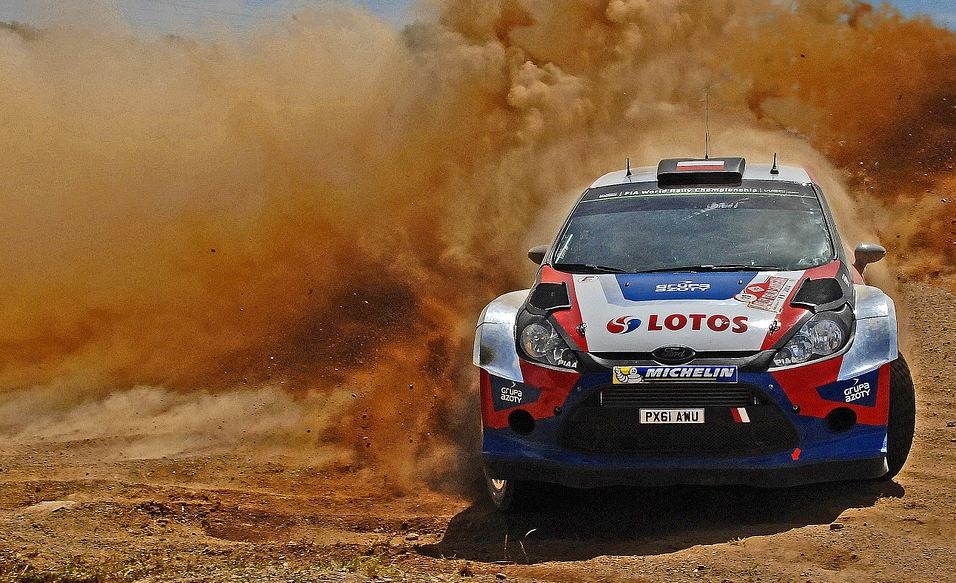
If you’ve ever wondered why rally feels more like a TV series than a sport, it’s because the schedule forces a storyline. The World Rally Championship (WRC) doesn’t live in one climate, one surface, or one “home stadium.” It moves—fast—across four continents, and the calendar turns that movement into the main challenge. In 2026, the season runs 14 rounds from late January to mid-November, opening on Monte Carlo ice and closing in Saudi Arabia’s desert heat.
The result is a championship that isn’t just about speed. It’s about timing. Who peaks early, who survives the mid-season grind, and who still has a car (and a brain) intact when the title fight reaches its last chapter.
Why the WRC Calendar Spans Four Continents and 14 Rounds
The World Rally Championship deliberately structures its 14-round calendar across four continents to achieve three essential objectives: maximizing global market exposure, challenging competitors with diverse terrain that prevents specialization, and maintaining manufacturer engagement in their key regional markets.
You'll find rallies spanning Europe, Africa, Asia, and South America, creating global broadcasting reach that connects manufacturers with consumers worldwide. The calendar's January-to-November timeline forces you to adapt continuously to year-round seasonal changes. From Monte Carlo's icy conditions to Saudi Arabia's desert heat. The 2026 season concludes with Saudi Arabia's season finale, marking a strategic shift in the championship's conclusion.
This geographic dispersion prevents any team from dominating through surface-specific expertise. Four distinct terrain types—snow, gravel, tarmac, and mixed conditions—ensure you can't simply optimize for one environment. Manufacturers need this continental representation to justify their motorsport investments across diverse markets.
The Three Surfaces That Change Everything
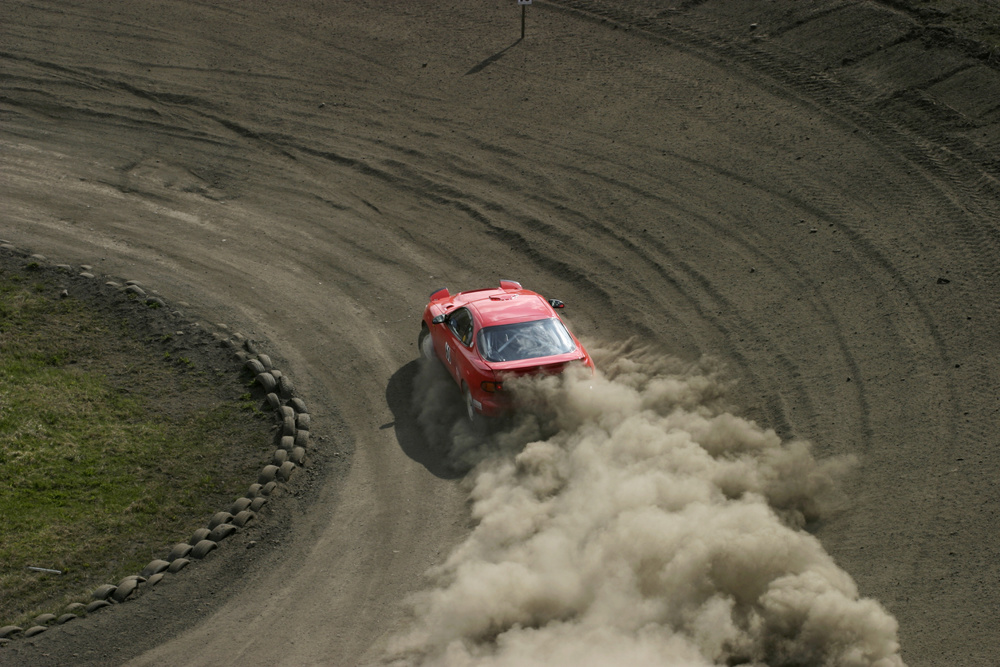
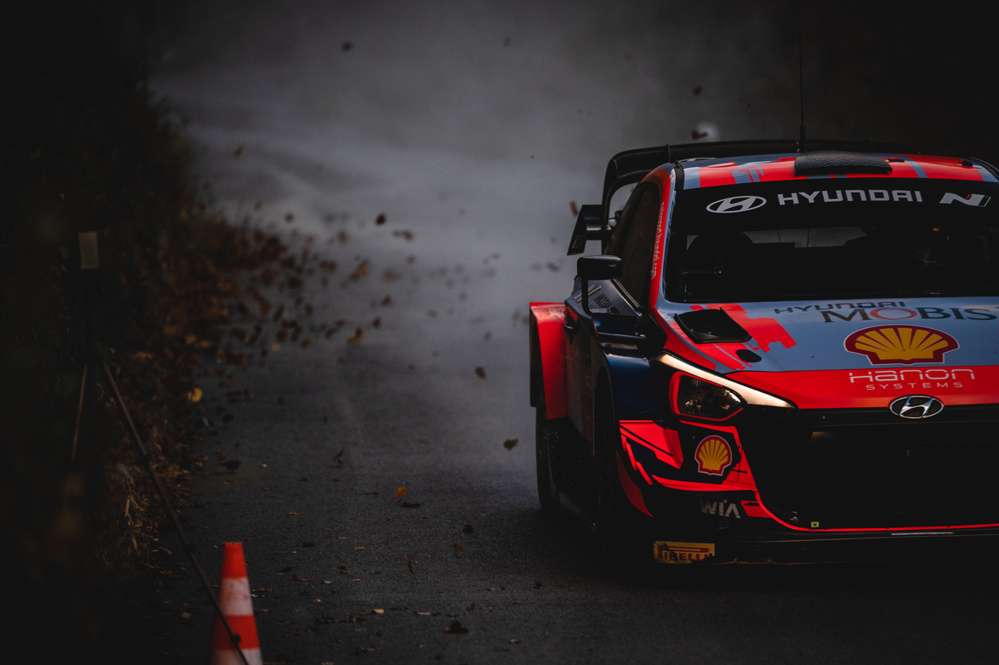
Rally’s year is basically a rotation of three worlds: snow/ice, tarmac, and gravel (with plenty of mixed surfaces hiding inside those labels). The same driver can look like a genius on one surface and slightly lost on another because grip changes everything—braking distances, corner entry speeds, how you rotate the car, and even how you manage risk.
Tarmac rewards precision and commitment. Gravel rewards flow and reading the road as it degrades. Snow rewards trust—because you’re making speed out of almost nothing. And because the WRC calendar stacks these surfaces in specific clusters, it shapes momentum. You can win the “season” even if you don’t win the most rallies, as long as you’re never truly terrible anywhere.
Winter Rally Challenges: Monte Carlo's Ice and Sweden's Frozen Forests
Few motorsport events test adaptability like Rallye Monte-Carlo, where you'll encounter every winter condition imaginable—sometimes within a single stage. The 2026 route delivers 339.15 kilometers across 17 stages, demanding constant tire compound selection adjustments as you navigate frozen asphalt, snow-covered hairpins, and dry patches.
You'll manage fluctuating surface conditions corner by corner, often choosing compromise setups. Hankook's Winter i*cept SR20 studded tires for icy peaks, then switching to Ventus Z215 slicks for valley descents. Rally Sweden follows February 12-15, contrasting Monte's unpredictability with pure snow and ice stages.
Here, you'll tackle high-speed runs on studded tires through frozen forests, where extreme cold tests durability and traction rather than strategic gambling. Both events reward precision and confidence through winter's harshest challenges. Pre-season testing in the Alps allows drivers and engineers to develop this essential understanding of how cars react when grip levels shift unpredictably between runs.
Spring on Tarmac: Croatia and Canarias Favor Precision Drivers
As winter's ice transitions to spring conditions, you'll face a dramatically different challenge across two consecutive asphalt rounds that demand surgical precision. Croatia Rally (April 9-12) and Rally Islas Canarias (April 23-26) create a tarmac double-header where millimeter-level accuracy determines success.
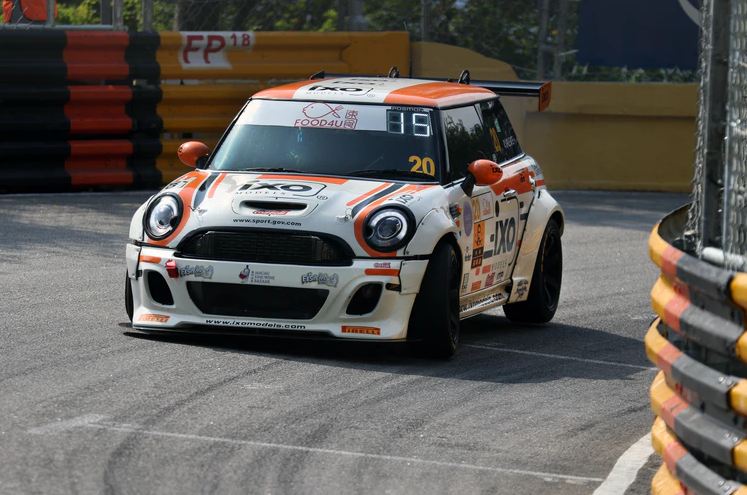
You'll navigate Croatia's European road networks before tackling Canarias' volcanic terrain challenges, where coastal sprints alternate with mountain climbs requiring progressive throttle control. Tire management becomes critical as asphalt punishes hesitation and offers minimal wear margins compared to gravel. The two-week gap between rounds allows mechanical adjustments, but you'll need consistent precision across both events.
Vittorio Caneva Rally School offers training programs that help drivers develop the precision techniques essential for these demanding tarmac events. These spring rallies establish championship momentum before summer's gravel dominance, rewarding specialists who master grip management and corner execution on unforgiving paved surfaces.
Summer Gravel in Estonia and Finland: Where Speed Meets Survival
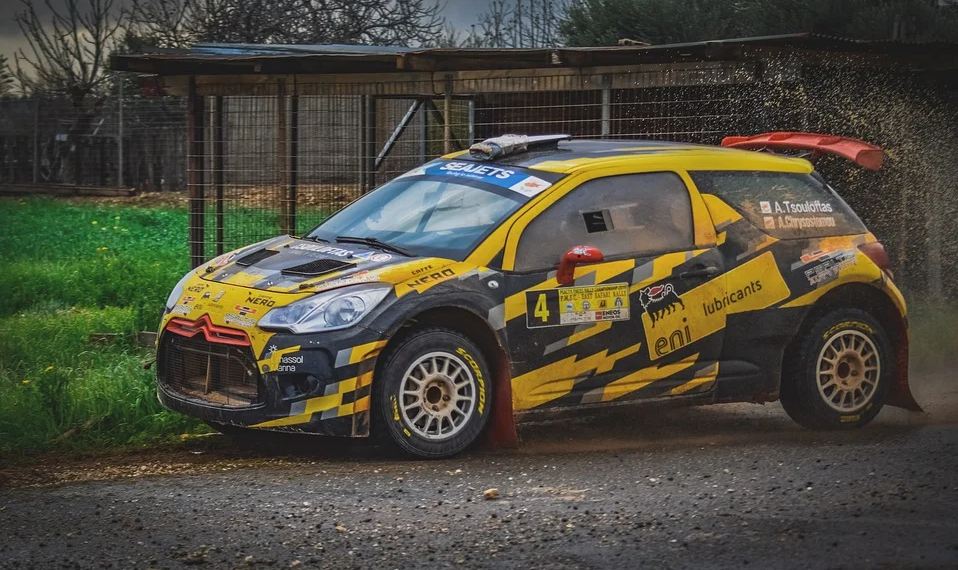
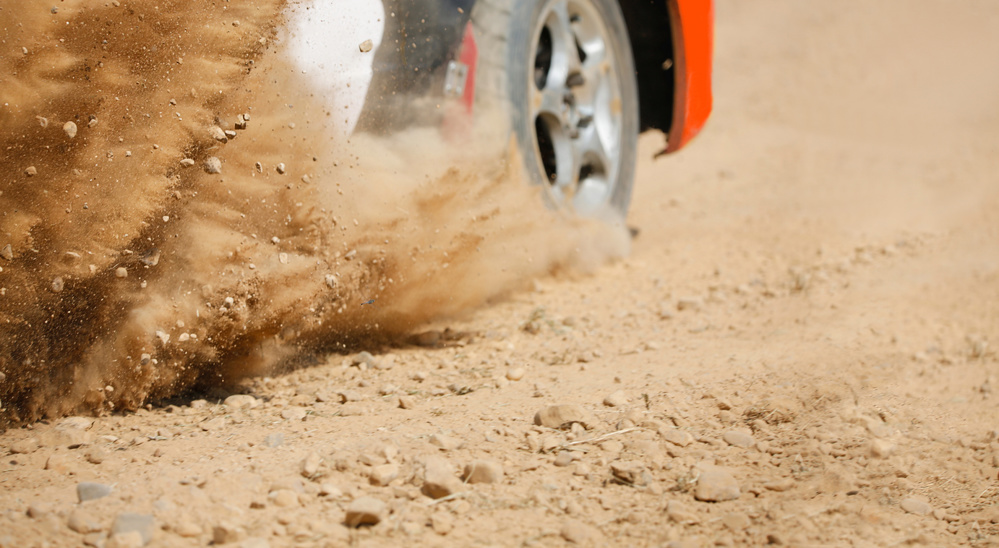
Mid-summer turns the championship into a pure speed spectacle. Consecutive gravel events in Estonia (July 17–20) and Finland (August 3–7) deliver the fastest rallying on loose surfaces anywhere in the world. You'll experience record breaking speeds exceeding 200 km/h on wide flowing roads designed for sustained velocity.
Finnish tradition earned this event the "Grand Prix on Gravel" designation, where Rovanperä and Halttunen's 129.94 kph average shattered previous benchmarks. However, these soft sandy surfaces demand survival instincts—deep ruts develop rapidly. Temperature swings reach 17 degrees within 72 hours, and conditions alternate between dry gravel and muddy chaos.
You'll navigate dramatic elevation changes from curved road surfaces whilst managing tire strategies across 20-22 stages spanning over 300 competitive kilometers. The spectacle includes jumps up to 50 meters that showcase the extreme nature of these high-speed stages. Pirelli Scorpion soft compounds provide maximum reliability.
Safari Rally Kenya: Racing Through Extreme Heat and African Dust
Safari Rally Kenya explodes onto the championship calendar in late March with weather extremes that make this East African event the most unpredictable round of the season. You'll face spring's long rains transforming dusty roads into ice-like mud within minutes, demanding tire strategy adjustments between stages.
Road position determines everything—starting first means avoiding downpours that devastate trailing competitors. You'll navigate falling road edges and erosion patterns where patience trumps speed. Single mistakes prove catastrophic when grip vanishes, making intelligent puddle-line selection worth massive time gains. Muddy conditions demand softer suspension setups for maximum compliance and traction compared to the stiffer configurations used in dry weather.
South American Gravel: Paraguay and Chile's High-Altitude Tests
Rally action shifts from East Africa's brutal unpredictability to South America's gravel proving grounds, where Paraguay and Chile's Bio Bío rally test driver precision across fundamentally different challenges.
Paraguay's iconic red gravel roads deliver 333 kilometers across 19 stages, featuring eight jumps per stage, steep climbs, and continuous technical corners. The clay-like surface compacts rather than roughens, creating fast sections comparable to Estonia. You'll navigate Carmen del Paraná's high-speed transitions into tight, twisty technical passages. The rally concludes with a spectacular finale as cars traverse 1,200 metres of tarmac before finishing inside the grounds of the Jesuit Ruins of Trinidad.
Chile's challenging terrain dynamics flow through dense forest plantations with narrow tree-lined roads demanding total precision. Variable weather conditions prove decisive—morning coastal fog, Pacific winds, and unpredictable spring rainfall transform stages into muddy Britain-like conditions. Both rallies feature soft surfaces that rut significantly, making second-pass experiences substantially different.
How Rally Scheduling Affects Team Preparation and Championship Strategy
Fourteen championship rounds compressed into 10.5 months force teams into carefully orchestrated preparation cycles where surface transitions dictate resource allocation. You'll notice how consecutive surface changes—like tarmac Canarias followed by gravel Portugal within two weeks—compress testing windows and strain component inventories.
Budget constraints intensify during four-continent logistics, as transporting equipment from Sweden to Kenya across 4,000 miles in 25 days requires pre-positioned spare parts and duplicate service vehicles. The May-August European cluster concentrates seven rounds in 3.5 months, enabling rapid setup iterations but creating staffing implications as crews face consecutive weekend deployments.
The 2026 season opens with Rally Monte Carlo in early January, establishing the winter testing timeline that influences pre-season development priorities. Early season momentum matters critically: Monte Carlo's January opener forces winter testing compression, while the three-round African-Mediterranean sequence concentrates 28% of first-half points into 45 days.
The Desert Finale: Why Saudi Arabia Decides the Championship
When championship mathematics converge with unexplored terrain, the pressure magnifies exponentially. This explains why Saudi Arabia's inaugural desert round became one of rallying's most dramatic season finales. The desert surface variability created unprecedented challenges. You'd face soft sandy tracks transitioning abruptly to rocky mountain roads, with punishing mechanical demands that destroyed tires across the entire Rally1 field.
Three factors made this finale decisive:
- No historical data - Teams arrived without setup references for optimization
- Extreme attrition- Every competitor suffered punctures or mechanical failures
- Championship compression - Evans's three-point lead created razor-thin margins
Ogier clinched his ninth title Saturday afternoon, navigating chaos while Evans won the Power Stage but finished sixth overall. The championship outcome saw Ogier match Sebastien Loeb's record of nine WRC titles, cementing his place among rallying's greatest drivers.
Check out tools to build your own rally racing calendar to share with your fellow fans to keep on top of this fast paced sport.
Why This Seasonal Structure Matters Now
In 2026, attention is fragmented and sports compete with everything—streaming, creators, short-form video, and infinite niche fandoms. The WRC calendar’s seasonal structure is an advantage because it naturally creates “freshness” without needing to manufacture it. New scenery, new surface, new strategy, new visuals—every few weeks.
And for the sport itself, the calendar is the fairest kind of brutal. It doesn’t reward one trick. It rewards adaptability: drivers who can change style, engineers who can change setups, and teams who can manage fatigue over almost an entire year. The title goes to the most complete operation, not just the fastest car on one perfect weekend.
Conclusion
The WRC calendar isn’t just a list of events—it’s the sport’s real plot engine. Winter forces compromise, spring rewards precision, summer demands bravery at speed, and the late season turns everything into survival math. By the time you reach the finale, the champion usually isn’t just the fastest driver—they’re the one who stayed adaptable when the year kept changing the rules. That’s why rally’s “seasonal” structure matters right now. In an era where everything gets binge-watched and forgotten, the WRC still builds anticipation the old-fashioned way: new setting, new stakes, new chapter.